"Tired all the time" is one of the most common complaints men raise with their doctors after 45, and it's rarely caused by just one thing. Before looking at any supplement, it's worth understanding the handful of fundamentals that consistently move the needle on daily energy — because these apply whether or not you take anything at all.
Sleep: The Foundation Everything Else Sits On
Sleep quality tends to decline gradually with age — lighter sleep, more nighttime waking, and for a meaningful share of men over 45, undiagnosed sleep apnea that quietly wrecks energy without an obvious cause. Before addressing energy any other way, it's worth being honest about sleep: are you getting 7 to 8 hours consistently, and is it actually restful? A sleep study is a reasonable thing to bring up with a doctor if snoring, daytime fatigue, or witnessed breathing pauses are part of the picture.
Protein Intake and Muscle Mass
Men lose muscle mass gradually starting in their 30s and 40s, a process called sarcopenia, and low muscle mass is directly tied to lower baseline energy and metabolic rate. Adequate protein intake — generally higher than the bare minimum RDA for older adults doing any resistance training — combined with strength training two to three times a week is one of the most well-evidenced ways to support energy levels long-term.
Movement and Exercise
It sounds counterintuitive, but low energy is often better addressed with more movement, not more rest. Sedentary time is associated with worse energy, worse sleep, and worse mood in the research literature, while regular moderate exercise — even just brisk walking — is one of the most consistently effective non-pharmacological energy interventions across age groups.
Hydration
Mild dehydration is a surprisingly common, easily overlooked cause of fatigue, and thirst sensation naturally declines with age, meaning many older men are mildly dehydrated without feeling thirsty. A simple habit — a glass of water with each meal and after waking — addresses this without requiring much thought.
Caffeine Timing
Caffeine isn't the enemy, but timing matters more than most people realize. Caffeine has a half-life of roughly 5 to 6 hours, meaning a 3pm coffee can still be measurably affecting your system at 9pm, quietly degrading sleep quality without you noticing the connection. Shifting caffeine intake earlier in the day — ideally none after early afternoon — is one of the simplest, most overlooked energy fixes available.
The Stress Connection
Chronic stress is metabolically expensive. Elevated cortisol over long periods is associated with disrupted sleep, increased abdominal fat storage, and a subjective sense of persistent fatigue that doesn't resolve with rest alone. This is harder to fix with a simple checklist item, but even basic stress-management practices — regular exercise, adequate sleep, time away from screens, or structured downtime — measurably help.
Where a Stimulant-Free Supplement Fits In
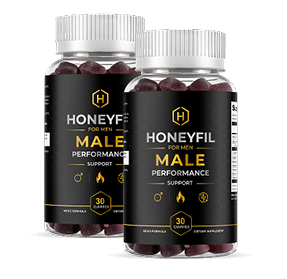
None of the fundamentals above require a supplement, and no supplement replaces them. But for men who've addressed sleep, movement, hydration, and caffeine timing and are still looking for additional daily support, a stimulant-free formula built around established nutrients like zinc and B-vitamins, plus circulation-focused ingredients like L-citrulline, can be a reasonable complement — not a replacement — for the basics. The key word is complement: a supplement layered on top of poor sleep and a sedentary routine is unlikely to move the needle much on its own.
When Fatigue Warrants a Doctor's Visit
Persistent, unexplained fatigue that doesn't improve with better sleep, diet, and activity is worth raising with a doctor — it can be an early sign of several conditions worth ruling out, including thyroid issues, anemia, sleep apnea, depression, or age-related hormonal changes. Fatigue that comes on suddenly, or is accompanied by other symptoms, deserves medical attention rather than a supplement aisle.
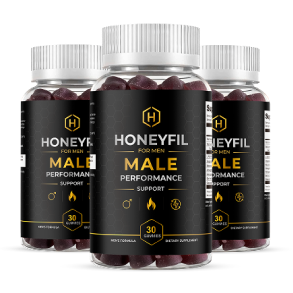
Ready to try HoneyFil?
Circulation, energy, and stamina support in one daily gummy. Made in the USA. Backed by a 60-day guarantee.
Order HoneyFil NowFrequently Asked Questions
Why am I tired all the time in my 40s and 50s?
Common contributors include declining sleep quality, reduced muscle mass, sedentary habits, mild dehydration, poorly-timed caffeine intake, and chronic stress. Persistent unexplained fatigue is also worth discussing with a doctor to rule out underlying conditions.
Does exercise help with fatigue, or make it worse?
For most men, regular moderate exercise improves energy levels over time, even though it may feel counterintuitive when you're already tired. Sedentary time is generally associated with worse, not better, energy.
What time should I stop drinking caffeine?
Caffeine has a roughly 5-6 hour half-life, so afternoon caffeine can still affect sleep quality that night. Shifting intake to earlier in the day is a common recommendation for improving both sleep and next-day energy.
Can a supplement fix low energy on its own?
Supplements are generally best used as a complement to fundamentals like sleep, movement, hydration, and stress management — not a replacement for them. A stimulant-free formula can be a reasonable addition once the basics are addressed.