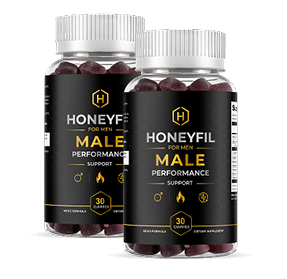
HoneyFil's formula combines two established nutrients with six botanical and amino-acid ingredients. Here's what each one actually does, based on how it's generally studied and used — and an honest note about which amounts are, and aren't, publicly disclosed.
The Two Established Nutrients
Vitamin B3, also called niacin, is a B-vitamin involved in the body's normal energy-yielding metabolism and normal nervous system function — it's one of the more well-established players in any energy-support formula, since B-vitamins are directly involved in how the body converts food into usable energy.
Zinc, included here as zinc oxide, is an essential trace mineral traditionally associated with supporting healthy testosterone levels within the normal range and with normal immune function. It's one of the most commonly deficient minerals in adult diets, which is part of why it shows up so often in men's wellness formulas.
L-Citrulline and L-Carnitine
L-citrulline is an amino acid the body converts into L-arginine, which is involved in the body's nitric oxide pathway — a pathway commonly associated with healthy blood flow and circulation. It's a frequent ingredient in circulation-support formulas for exactly this reason.
L-carnitine is an amino-acid derivative involved in the body's normal fat metabolism, specifically in transporting fatty acids into cells to be used for energy. It's commonly included in energy-support and fitness-oriented formulas.
Pine Bark Extract
Pine bark extract is rich in proanthocyanidins, a class of plant compounds studied for their relationship to healthy circulation and antioxidant activity. It's a well-known ingredient across the supplement category, often paired with other circulation-focused ingredients like L-citrulline.
Maca Root Extract
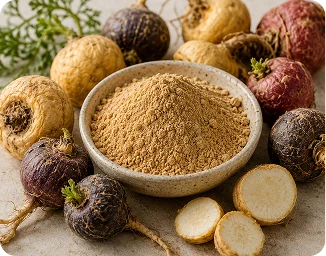
Maca root is a cruciferous root native to the Peruvian Andes, traditionally used for centuries to support energy and everyday vitality. Its modern research base continues to grow, but much of its inclusion in formulas like this one rests on a long history of traditional use rather than a large body of clinical trials.
Grape Skin Extract and Saffron Stigmas Extract
Grape skin extract is a polyphenol-rich botanical extract associated with antioxidant support — polyphenols are compounds studied broadly for their role in supporting the body's normal defense against oxidative stress. Saffron stigmas extract, derived from the saffron flower, is traditionally associated with mood and everyday wellness support, and has drawn growing modern research interest, though study quality and sizes vary.
What's Not Publicly Disclosed
Here's the part that matters most for anyone doing real research: publicly available HoneyFil information lists these eight ingredients but doesn't provide a complete, itemized milligram breakdown for each one online. That's a meaningful gap, because knowing an ingredient is present doesn't tell you whether it's present at an amount that matches published research on that ingredient. A formula can include a well-studied ingredient at a dose too small to matter, and without the numbers, there's no way to tell from marketing copy alone.
We're not going to fill that gap with numbers borrowed from other products or older marketing pages, since formulations and packaging can change over time and doing so would risk misrepresenting what's actually in the bottle you receive. If exact amounts matter to your decision, the Supplement Facts panel on your physical bottle is the only reliable source — check it before you order if that level of detail is important to you, and compare it against what's written here or anywhere else online.
How the Formula Is Positioned
Taken together, the formula is positioned around a few overlapping goals: established nutrient support from zinc and niacin, circulation support from L-citrulline and pine bark extract, energy support from L-carnitine and maca root, and general antioxidant and wellness support from grape skin and saffron extracts. None of these ingredients, individually or combined, are positioned as a treatment for any medical condition — they're structure/function ingredients intended to support the body's normal processes as part of an overall healthy lifestyle.
Reading This List Critically
It's worth applying a little scrutiny to any ingredient list, including this one. Ask: is this a nutrient with a well-established role (like zinc or niacin), a compound with a clear, understood mechanism (like L-citrulline's relationship to nitric oxide), or a botanical resting mainly on traditional use (like maca or saffron)? All three categories can have a legitimate place in a formula, but they carry different levels of evidence, and a fair-minded ingredients page says which is which rather than presenting everything as equally proven. That's the standard we've tried to hold this article to.
Ready to try HoneyFil?
Circulation, energy, and stamina support in one daily gummy. Made in the USA. Backed by a 60-day guarantee.
Order HoneyFil NowFrequently Asked Questions
What are the ingredients in HoneyFil?
Vitamin B3 (niacin), zinc (as zinc oxide), L-citrulline, L-carnitine, pine bark extract, maca root extract, grape skin extract, and saffron stigmas extract.
What is L-citrulline used for?
L-citrulline is an amino acid the body converts to L-arginine, commonly included in supplements associated with supporting healthy blood flow and circulation.
Is maca root proven to work?
Maca root has a long history of traditional use for energy and vitality. Its modern clinical research base is still developing, so its inclusion rests more on traditional use than a large body of trials.
Why doesn't this article list milligram amounts?
Because publicly available HoneyFil information doesn't provide a complete, itemized dosage breakdown online. We only publish figures we can verify — check the Supplement Facts panel on your bottle for exact amounts.