Every dietary supplement in the US carries a Supplement Facts panel, but most people skim past it straight to the marketing copy on the front of the box. That's backwards. This guide walks through what each part of the panel actually means and why it's the single most useful thing to check before buying any supplement — including this one.
Why the Label Matters More Than the Marketing
Marketing copy is written to sell a product. A Supplement Facts panel is a regulated disclosure, governed by FDA labeling rules, that has to state specific, factual information: what's in the product, how much, and in what serving size. That doesn't mean every claim on the panel is scientifically proven — it means the panel is the most reliable factual anchor point on the entire package.
Serving Size and Servings Per Container
This is the first thing to check, and it's more important than people assume. The "amount per serving" numbers only mean something in the context of what one serving actually is — one gummy, two capsules, one scoop, whatever the label defines. If a product's serving size is unusually small compared to how it's used in research, that's worth noticing.
Servings per container tells you how long a bottle will actually last at the labeled serving size — which matters for comparing the real cost per day across different products, not just the sticker price per bottle.
The Ingredient List and Individual Amounts
A trustworthy label lists each active ingredient individually with its own amount, typically in milligrams or micrograms. This lets you compare what you're getting against published research on that specific ingredient at that specific dose.
Some products, however, list ingredients without disclosing individual amounts online — sometimes because the physical label has more detail than the website, sometimes because the amounts genuinely aren't public. Either way, ingredient presence and ingredient dose are two different pieces of information, and only one of them tells you whether you're getting a meaningful amount.
What a Proprietary Blend Actually Means
A proprietary blend lists a group of ingredients with one combined weight instead of individual amounts for each. For example, "Energy Blend: 500mg" followed by six ingredient names tells you the total weight of all six combined — not how much of any single one you're getting.
This isn't automatically dishonest, but it is a transparency trade-off. If a blend lists a well-studied ingredient alongside five others at a combined weight lower than the studied dose of that one ingredient alone, you can be fairly confident it's underdosed — you just can't prove it from the label. Individually-dosed ingredient lists remove that ambiguity entirely.
Daily Value (%DV) Percentages
The %DV column, when present, tells you what percentage of the recommended daily intake a serving provides for that specific nutrient, based on standardized reference values. This only applies to nutrients with an established Daily Value — vitamins and minerals typically have one, while many botanical extracts and amino acids don't, which is why you'll often see "†" or "Daily Value not established" next to those entries. That's normal, not a red flag on its own.
"Other Ingredients"
Below the main Supplement Facts table, most labels list "other ingredients" — things like gelatin or pectin (in gummies), coloring, flavoring, and preservatives. These aren't active ingredients, but they matter for anyone checking for allergens, avoiding gluten, or confirming a product is non-GMO, since those claims are usually substantiated in this section or elsewhere on the label.
Directions and Warnings
The suggested use section tells you how the manufacturer intends the product to be taken — timing, whether to take it with food, and whether to avoid exceeding the serving. Warnings cover who shouldn't take the product: age restrictions, pregnancy and breastfeeding notes, medication interactions, and any allergen declarations. This section is often the most skipped and the most important, particularly for anyone on prescription medication.
Putting It All Together
Before buying any supplement, it's worth spending two minutes checking: the serving size, whether ingredients are individually dosed or blended, whether amounts match what you'd expect from published research on those ingredients, and the warnings section for anything relevant to your own health. A company confident in its formula usually makes this information easy to find rather than something you have to dig for — and when it isn't fully available online, checking the physical label directly is always the right move.
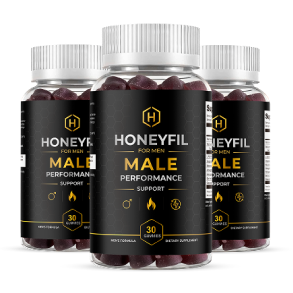
Ready to try HoneyFil?
Circulation, energy, and stamina support in one daily gummy. Made in the USA. Backed by a 60-day guarantee.
Order HoneyFil NowFrequently Asked Questions
What does 'proprietary blend' mean on a supplement label?
It means a group of ingredients is listed with one combined total weight instead of individual amounts for each ingredient, making it impossible to know how much of any single ingredient you're getting.
What is Daily Value (%DV) on a supplement label?
It's the percentage of a standardized recommended daily intake that one serving provides for a specific nutrient. It only applies to nutrients with an established Daily Value, like most vitamins and minerals.
Why do some ingredients not have a %DV listed?
Many botanical extracts and amino acids don't have an FDA-established Daily Value, so labels list a dagger symbol or note that the Daily Value isn't established. This is normal and not necessarily a red flag.
Is a proprietary blend always a bad sign?
Not automatically, but it reduces transparency. An individually-dosed ingredient list lets you directly compare amounts to published research, which a blended total does not allow.